Furniture stores get quoted on product count, which is the wrong number. A catalogue of five thousand products with ten filter types can expose millions of crawlable URLs, and the work of bringing that under control has nothing to do with how many sofas you sell.
There is a second variable most quotes never mention: whether you also serve trade. Building a contract route is close to building a second store, with its own pages, its own vocabulary and its own measurement.
This article sets out what actually drives the number.
What Determines the Price?
Five variables, and product count is the least useful of them on its own.
Filter complexity
Catalogue size
Existing content
Trade route
Image weight
Why Does Filter Complexity Cost More Than Product Count?
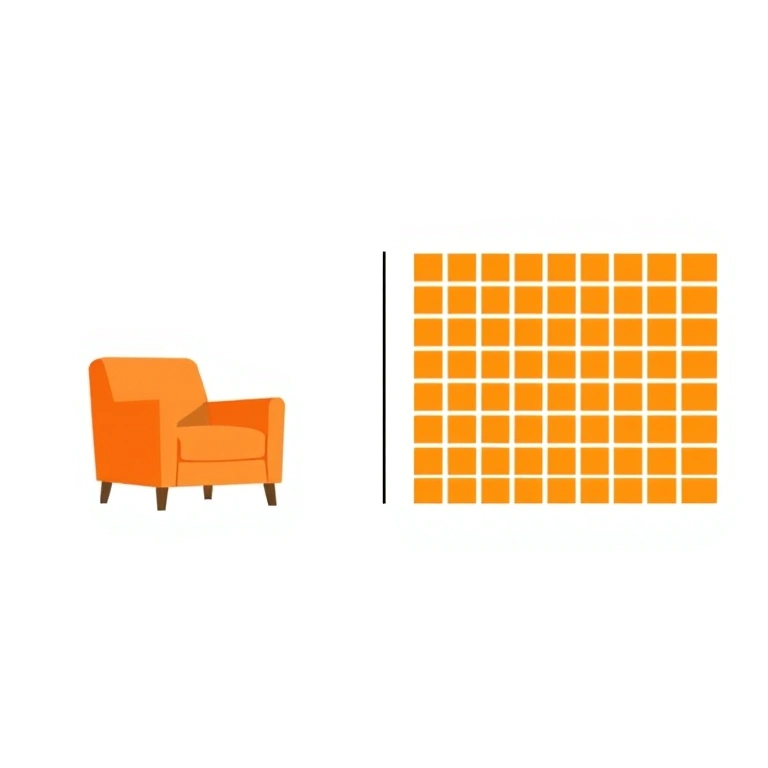
Because the work scales with URLs exposed, not with products sold. A store with 5,000 products and 10 filter types can mathematically generate over 3.6 million URLs, and roughly 35 percent of a typical store’s crawl budget goes to faceted URLs that deliver nothing, rising above 60 percent on large stores.
Bringing that under control means auditing every facet, deciding index, canonicalise or block for each, promoting the few combinations with real demand into landing pages, and verifying afterwards that crawl attention actually moved. None of that effort changes if you sell 500 products or 5,000.
What Do the Standard Packages Cover?
Retainers suit stores needing continuous content, and projects suit stores needing structural repair first.
The monthly sprint tiers run from a Starter Sprint at $999 per month, through a Growth Sprint at $1,999, to a Scale Sprint at $2,999, each with a six-month minimum because store SEO does not compound meaningfully in less time. Page-level work is priced per page, from around $20 down to $18 at higher volumes, and content-only projects start at $149. Current figures are on the pricing page.
Most furniture stores need a project first. The crawl problem is usually large enough that paying monthly for content while it is unresolved wastes the content.
What Should the First Phase Deliver?
A measured picture of what search engines can actually reach, and the first collection pages rebuilt.
A sensible first phase:
- Full crawl comparing true crawlable URL count against real catalogue size
- Facet rules: index, canonicalise or block, decided per filter
- Indexation audit showing how much of the catalogue is findable at all
- Image delivery work on the collection and product templates
- The highest-demand collection pages rebuilt with real content
How to rank furniture products covers what follows.
How Do You Judge the Return?
By organic revenue including assisted conversions, because last-click reporting systematically undervalues furniture content.
With a sofa purchase commonly taking 14 to 21 days across four to six comparison visits, the page that started the journey is rarely the last touch. A report built on last click alone will understate the content and overstate the brand-term traffic.
There is a second return worth counting in this category: reduced returns. Better product page detail lowers the return rate, and with one large furniture return costing roughly $55 to $108 to process, that saving is real money against the invoice. Furniture product pages that reduce returns covers it.
Last Thoughts on Furniture Store SEO Pricing
A quote priced on product count alone has not looked at your store. The filters, the existing content and the trade question change the work far more.
Ask how many crawlable URLs the store exposes, which collection pages get rebuilt first, and whether a trade route is in scope. A quote that can answer those three has done the diagnosis. The furniture and home decor store SEO service starts there, and trade and contract buyers covers the second audience if it applies to you.
Key Takeaways
- Filter complexity, not product count, is usually the largest piece of technical work on a furniture store.
- A 5,000-product store with 10 filters can expose over 3.6 million crawlable URLs.
- Most furniture stores need a project before a retainer, because content published onto an uncrawlable store is wasted.
- Monthly sprints run $999, $1,999 and $2,999 with a six-month minimum; per-page work runs roughly $18 to $20.
- Judge the return on assisted conversions, since a sofa purchase takes 14 to 21 days across several visits.
- Count reduced returns as part of the return. One large furniture return costs roughly $55 to $108 to process.
Frequently Asked Questions (FAQs)
How much does SEO cost for a furniture store?
Monthly sprints run from $999 to $2,999 with a six-month minimum. The right tier depends on catalogue size, filter complexity and whether trade is in scope.
Why does filter complexity matter more than product count?
Because the work scales with URLs exposed, not products sold. Ten filters on 5,000 products can generate millions of crawlable URLs.
Should I pay monthly or for a project?
Most furniture stores need a project first. Paying monthly for content while a crawl problem is unresolved wastes the content.
How do I judge whether the SEO worked?
Organic revenue including assisted conversions, plus any reduction in return rate, which is real money in this category.
Does serving trade buyers cost extra?
Yes, meaningfully. A contract route needs its own pages, vocabulary and measurement, which is close to building a second store.
Want More Sales From Search?
Get a free, no-obligation store audit and a clear plan to grow your revenue.