This is the most common and most fixable problem in furniture e-commerce. Stores invest heavily in photography and styled room sets, the content ranks, people enjoy looking at it, and almost nobody reaches a product page.
The fix does not require producing anything new. It requires connecting what already exists, which is why it is usually the fastest meaningful win available on a store that has been investing in content without seeing revenue from it.
Why Does Inspiration Content Fail to Sell?
Because it is almost never connected to anything. A room page ranks, reads well, and then offers the visitor nowhere to go except back to search.
The recurring failures:
- No product links at all, so the visitor has to guess what they are looking at and go hunting
- A generic link to the homepage or a top-level category, which loses the specific intent the image created
- Content targeting a search with no commercial intent behind it
- Living in a blog, structurally separated from the catalogue
- Measured on last click, so it appears to convert nobody and gets cut
What is a Shop the Look Page?
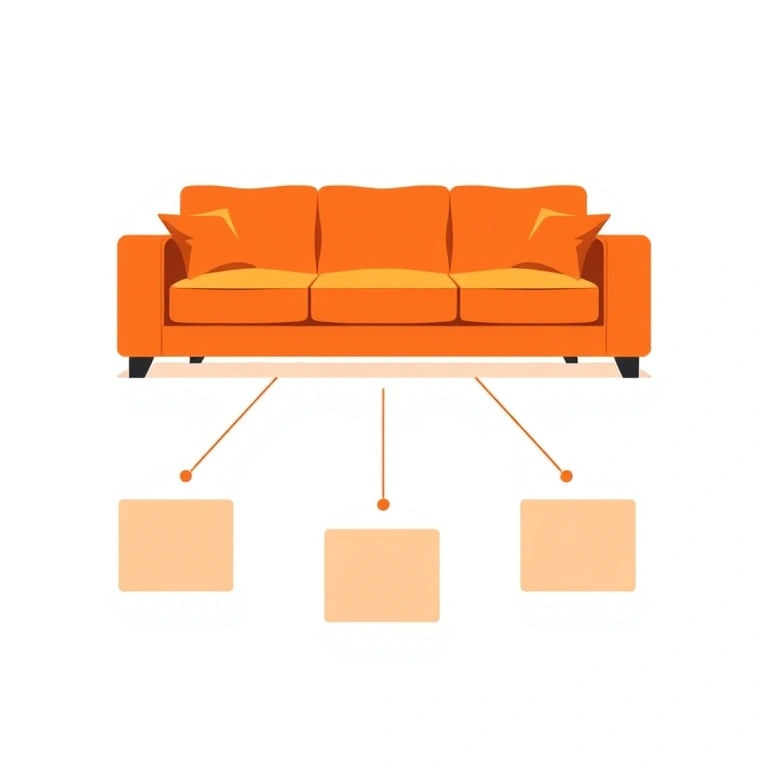
A Shop the Look page is a styled room treated as a commercial landing page rather than a gallery: it targets a real search, and every item in the image links to the product that sells it.
This was the core of the work on House Designer, a UK online home design studio. The strongest asset on the site was a set of complete room designs: Scandi open plan, autumn rust living room, Nordic chic sitting room, a glam sitting room to a set budget, a Scandi home office. Individually they were editorial. Structured properly they became the store front door.
What makes one work:
- A title targeting how people actually search for a look, not an internal campaign name
- Every product in the image linked, with the link visible rather than hidden behind a hotspot
- Copy explaining why the pieces work together, which is the content that ranks
- A price range or budget, since that is how many buyers filter a look
- Alternatives at different price points, so the look survives one item going out of stock
How Do You Choose Which Looks to Build?
Build for searches that already exist rather than for looks you want to promote. The demand determines the page, not the merchandising calendar.
Where to find them:
- Search Console, for style and room queries already bringing impressions
- Internal site search, which shows the language your own visitors use
- Existing content performance, since the inspiration pages already ranking are the obvious first conversions
- Budget-qualified searches, which carry unusually high intent
- Seasonal looks, built and indexed months before the demand arrives
How Should Room Pages Link Into the Catalogue?
Link to the specific product, never to a category, and make the link part of the content rather than a hover state.
Practical rules:
- Every visible item gets a named link, using the product name as anchor text
- Link to collections as well, for visitors who like the style but not that exact piece
- Link back from product pages to the rooms they appear in, which is almost always missed and gives the product page unique content
- Keep hotspot overlays as an enhancement, never as the only route, since they are frequently invisible to crawlers and awkward on mobile
How Do You Prove Room Content Is Working?
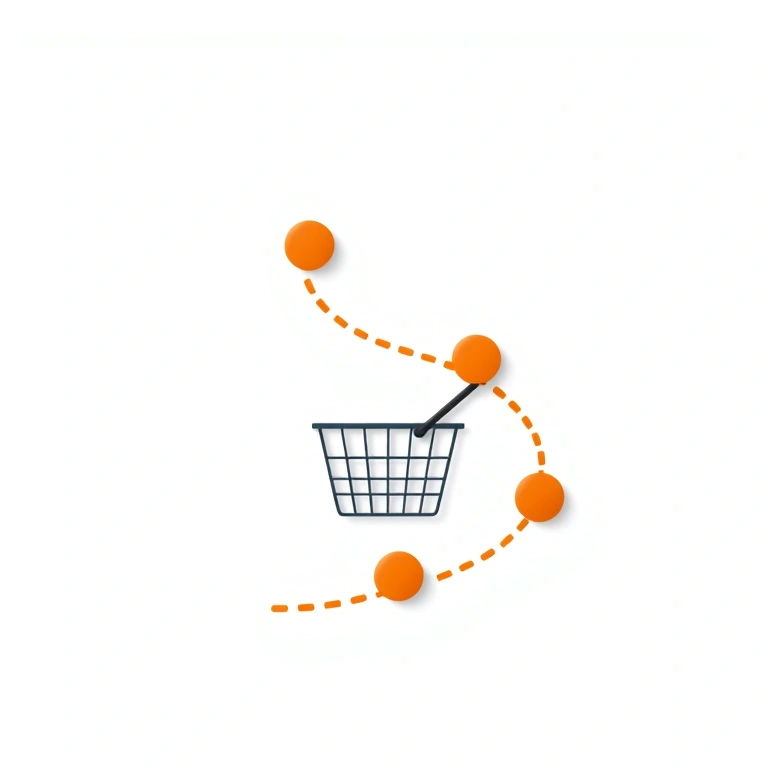
By assisted conversions, because last-click attribution systematically undervalues inspiration content in a category where nobody buys on the first visit.
With a sofa purchase commonly taking 14 to 21 days and four to six comparison visits, the room page that started the journey will almost never be the last touch before the order. Reported on last click alone it looks like a cost.
What to report:
- Assisted conversions from inspiration and guide pages
- Click-through from room pages into product and collection pages
- Revenue from visitors whose first touch was a room page, across a longer window
- Organic revenue split by landing page type, so content and catalogue are judged separately
Last Thoughts on Shop the Look
Most furniture stores are one internal-linking project away from their content earning money. The photography exists, the rooms exist, the rankings often exist. What is missing is the route from the image to the product.
Start by converting the inspiration pages that already rank, link every visible item to its product, link products back to the rooms they appear in, and report assisted conversions so the work is judged fairly. The furniture and home decor store SEO service covers this, and how to rank furniture products covers the structural work underneath it.
Key Takeaways
- Inspiration content fails commercially because it is not connected to the catalogue, not because it is bad content.
- A Shop the Look page targets a real search and links every visible item to the product that sells it.
- Convert inspiration pages that already rank before creating new ones. Faster and more certain.
- Link to specific products, not categories, and link products back to the rooms they appear in.
- Hotspot overlays are an enhancement, never the only route. They are often invisible to crawlers.
- Report assisted conversions, or room content that genuinely influences sales will look like a cost and get cut.
Frequently Asked Questions (FAQs)
Why does my room content get traffic but no sales?
Because it usually has no route into the catalogue. The visitor admires the room and leaves, since nothing on the page tells them what to buy or where.
What is a Shop the Look page?
A styled room treated as a commercial landing page: it targets a real search and every item in the image links to the product that sells it.
Should I use hotspots on room images?
Only as an enhancement. Hotspots are frequently invisible to crawlers and awkward on mobile, so always provide named text links as well.
Which looks should I build first?
Ones with demand you can already see in Search Console or internal site search, starting with inspiration pages that already rank.
How do I measure whether room content works?
By assisted conversions across a longer window. Last-click reporting undervalues it badly in a category with a multi-week purchase cycle.
Want More Sales From Search?
Get a free, no-obligation store audit and a clear plan to grow your revenue.


2 Comments