Store SEO pricing confuses people because the same words describe wildly different amounts of work. A quote for a catalogue of three hundred products and a quote for thirty thousand can carry identical service descriptions and differ by an order of magnitude in effort.
The variables that actually move the number are mostly invisible from outside: how much of the catalogue is currently indexed, how many URLs the filters are generating, and how much of the product copy came from a supplier feed.
This article explains what drives the price so you can judge whether a quote was built for your store or lifted from a template.

What Actually Determines the Price?
Five variables decide almost all of it, and catalogue size is only the first.
Catalogue size
Technical condition
Copy debt
Platform
Competition
What Do the Standard Packages Cover?
Retained monthly work suits stores that need continuous content and authority building, while one-off project pricing suits stores that mainly need a structural fix.
The monthly sprint tiers run from a Starter Sprint at $999 per month, through a Growth Sprint at $1,999, to a Scale Sprint at $2,999, each with a six-month minimum because store SEO does not produce meaningful compounding in less time than that. Page-level work is priced per page, from around $20 for smaller volumes down to $18 per page at higher commitments, and content-only projects start at $149. Current figures are on the pricing page.
Which structure fits depends on the diagnosis. A store whose products are simply not indexed often needs a project, not a retainer.
Why Is Catalogue Size Such a Large Factor?
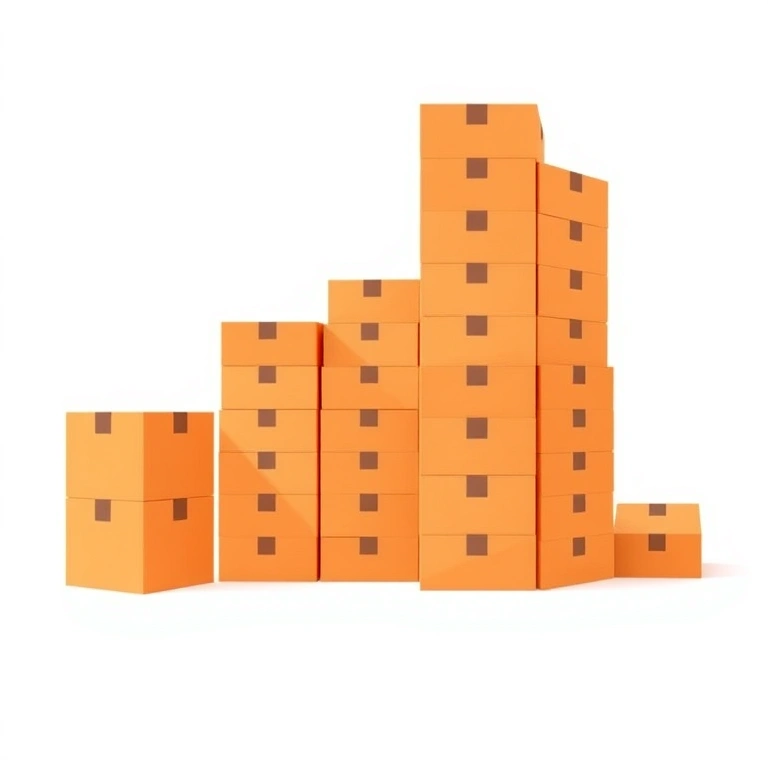
Because almost every task in store SEO is repeated per product or per collection. A rewritten description, a corrected variant, an image renamed, a structured data field checked: each is small and each multiplies.
The work does not scale linearly either. A large catalogue introduces problems a small one never has:
- Crawl budget becomes a constraint rather than a theoretical concern
- Faceted navigation multiplies, since more products means more filter combinations with real content behind them
- Prioritisation becomes essential, because rewriting everything is not economic and the choice of what to do first materially changes the return
- Automation and templating start to pay, which changes the shape of the work
What Should You Expect to Pay For First?
Expect the first phase to be diagnosis and structural repair, not content. On most stores this is also where the fastest visible movement comes from, because the pages already exist and are simply unreachable.
A sensible first phase:
- Full crawl, comparing real crawlable URL count against actual catalogue size
- Indexation audit, establishing how much of what you sell can be found at all
- Faceted navigation rules, which is usually the single largest recovery available (covered in detail here)
- Collection page assessment, since these carry the most ranking potential and are usually empty
- A prioritised product list based on margin and demand rather than alphabetical order
How Do You Judge Whether It Was Worth It?
By organic revenue and cost per sale over at least a quarter, segmented by landing page type. Rankings are an input, not a result, and a store can measure the result directly.
Organic cost per sale and ROI sets out the calculation. The short version is that the figure should fall over time, because the investment is front-loaded while the returns recur, and any channel comparison made inside a single month will flatter advertising unfairly.
Last Thoughts on Store SEO Pricing
A quote that does not reference your catalogue size, your platform and your current indexation was not built for your store. Those three facts change the work more than anything in a service list.
The most expensive decision is not the monthly figure. It is spending on content before the store can be crawled properly, which is the most common sequencing error in e-commerce SEO and it wastes an entire phase. If you want a diagnosis before a number, the toys and collectibles store SEO service starts there, and why your store is not getting sales covers what the diagnosis looks for.
Key Takeaways
- Catalogue size, technical condition, copy debt, platform and competition decide the price. A flat figure ignores all five.
- Monthly sprints run $999, $1,999 and $2,999 with a six-month minimum; per-page work runs roughly $18 to $20.
- A store that simply is not indexed often needs a one-off project rather than a retainer.
- Expect the first phase to be diagnosis and structural repair, which is usually where the fastest movement comes from.
- Ask any quote which products get worked on first and why. If it cannot answer, it has not seen your catalogue.
- The most expensive mistake is buying content before the store can be crawled.
Frequently Asked Questions (FAQs)
How much does e-commerce SEO cost per month?
Monthly sprint tiers run from $999 to $2,999 with a six-month minimum. The right tier depends on catalogue size, technical condition and how much copy needs rewriting.
Why do quotes vary so much for the same services?
Because identical service descriptions can cover vastly different volumes of work. A three hundred product store and a thirty thousand product store are not comparable.
Should I pay monthly or for a one-off project?
A project suits a store needing structural repair. A retainer suits a store that already works technically and needs continuous content and authority building.
Is there a minimum contract length?
The sprint tiers carry a six-month minimum, because store SEO does not compound meaningfully in less time than that.
What should the first month be spent on?
Diagnosis and structural repair: crawl, indexation, faceted navigation rules and collection page assessment. Content comes after the store can be crawled properly.
Want More Sales From Search?
Get a free, no-obligation store audit and a clear plan to grow your revenue.